
Talk to a grand majority of personal trainers and they’ll be able to pull the same story out of their personal archives:
The classic social gathering scene – a dinner night, or maybe a house party, featuring a collective of people with different career paths. Plenty of food available, most of which is not nutritious.
The personal trainer makes something of a conscious effort to limit the amount of those kinds of foods eaten, in favor of healthier options. Maybe alcohol or wine is off the table too.
Then THEY get viewed as the strange one. The weirdo, party-pooping, buzz-kill. The decision to eat well is regarded as “strange” and “no fun.”
Chances are, you’ve seen a scenario like the above play out. Maybe you were even part of it directly. On the surface, that doesn’t seem like much of a big deal. But peel back a layer and the irony is thick: The personal trainer isn’t telling anyone else how to eat, how to drink, or how to live. They’re making their own choices for their own body. Yet somehow, the mere existence of those choices makes people around them pipe up.
Flip the script, and the hypocrisy gets even sharper.
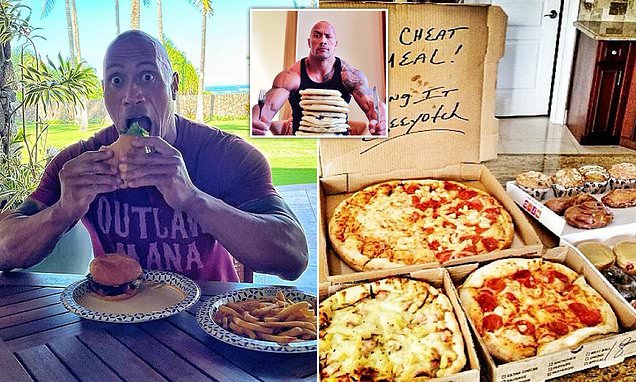
If that same trainer were to take the opposite approach; eating pizza freely, drinking beers, you know – living like a “normal” human being who enjoys things in moderation — there’s a good chance they’d be branded as fraudulent to their craft, and the questions would roll in. “Aren’t you supposed to be all about healthy eating? Shouldn’t you be shredded year-round? Don’t you live and breathe training 24/7?”
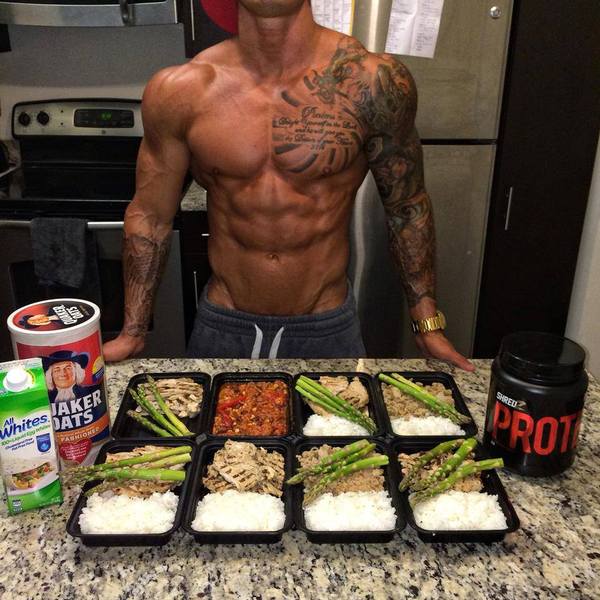
In no other industry does this double standard live so loudly. A chef can enjoy takeout food without being accused of abandoning purist cuisine. A financial advisor isn’t expected to sit in a suit 24/7 in order to prove their professionalism. But the moment a trainer display humanity, balance, moderation, or god forbid – the lack of a six pack, suddenly their credibility is questioned.
The Duplicity of Fitness Culture
Fitness is sold to the public as freedom.
A way to improve health, build confidence, look and feel better, and live longer. Yet paradoxically, the culture around it often becomes one of the most suffocating and judgmental arenas out there.
If you want to pursue balance, you’re “not dedicated enough.”
If you want to pursue intensity, you’re “toxic” or “obsessed.”
If you highlight an ethnic group, you’re virtue signaling.
If you don’t highlight any races, you’re exclusionary.
If you promote body autonomy, you’re accused of not caring about health.
If you promote health markers, you’re accused of being anti-body positivity.
The kicker: Each of these bastions would certainly claim to be inclusive. And so would the groups calling them out.
It’s a lose-lose game; One that fuels the outrage culture machine we see every day online. It’s become a marketing tool. Rage bait drives clicks, likes, and comments. Cancel culture thrives on hot takes, cherry-picked soundbites, and weaponized nuance. And fitness is one of the most fertile grounds for all of the above.
Fake Diversity
One of the biggest contradictions in modern fitness is that of the industry loving to say it values diversity, while often punishing it in practice.
Promoting self-love while moving away from unrealistic beauty standards and rejecting toxic diet culture, has had its once-positive messaging perverted by folks vehemently blasting anyone confident, who didn’t fit that mold. Diversity suddenly became an exclusive club with rules about who qualifies.
Or take the rise of some boutique gym facilities that openly advertise themselves as “community-based” and “welcoming,” while also pricing out 95% of the population. A drop-in fee might be $50, or memberships cost more than a car payment.
The irony? These gyms often preach accessibility and inclusion while making sure only the elite — financially or even physically — are granted entry access.
It’s the same story across the board: Diversity in fitness is celebrated only when it looks, talks, or markets itself in a certain way. Anyone outside those lines? Shut out.
The Damned If You Do, Damned If You Don’t Trainer
To be blunt: The problem with the zeitgeist, trickles down to the individuals within it. The trainer who chooses balance is criticized, and the trainer who chooses discipline is criticized too.
Turn down drinks at the party? “You’re no fun.”
Accept the drinks at the party? “How can you be a trainer if you drink?”
Show up shredded? “You’re unrelatable, obsessed, or vain.”
Show up with an average body fat percentage? “You’re not walking the walk.”
Trainers and fitness professionals are often placed under a microscope where every decision they make becomes a referendum on their credibility, and a closer look reveals the goalposts are always moving. What gets lost in this circus is the fact that trainers are human beings first. They’re allowed to live full lives outside the weight room, just like the clients they serve. Sadly, the reason the zeitgeist is what it is, is because many fitness professionals feel they need to pick a side of extremism. And that usually leads to trouble…
Cancel Culture Meets Fitness Culture
A trainer might express a nuanced opinion. Within hours, a snippet of that opinion might be shared out of context, branded with a “phobic” or “ism” suffix, and turned into a viral pile-on.
The result? Trainers self-censor. Professionals avoid having real conversations for fear of backlash. Instead of nuanced dialogue about training, nutrition, and balance, we get polarizing extremes: either toxic fitness influencers screaming about “no days off,” or loud counter-movements screaming “all exercise is oppressive and vegetables are racist.” The truth — which exists somewhere in the middle — gets lost.

So Now What?
Trainer or not, most people want the same thing: a fitness culture where exercise is normalized, food isn’t moralized, and balance is respected. But to get there, we have to stop rewarding the outrage economy. Right now, hypocrisy is disguised as inclusivity.
Respect autonomy. If someone skips dessert, let them. If someone eats dessert, let them. Neither choice is a political statement. We’d be better off recognizing that balance looks different for everyone.
For some, that means lifting five days a week. For others, it means lifting twice and walking more. For one trainer, saying no to alcohol might be a lifestyle choice. For another, enjoying beers on the weekend might be significant part of theirs. Both could be equally important. Neither deserves ridicule.
Stop mistaking outrage for progress doesn’t push fitness (or really any culture) forward — it drags it backward. Real diversity means embracing different approaches without needing them to mirror our own.
That will make fitness normal again.
The end goal isn’t shredded fake influencers, elitist gyms, or viral hot takes. It’s a culture where training a few days per week is just as normal as brushing your teeth, where eating vegetables isn’t “wrong,” and where enjoying life outside the gym doesn’t make you less credible. Fitness can’t keep selling itself as freedom while functioning as a prison of double standards. If we really want to normalize healthy living, then we need to stop punishing the very diversity we claim to celebrate.
That means letting the trainer eat their chicken breast at the party without rolling our eyes. It means letting someone celebrate their muscle gain without accusing them of fat-shaming. It means recognizing that “fit” doesn’t have one look, one path, or one price tag. And as long as trainers are disciples of their own craft, they’re probably doing alright.
If we can break out of the outrage echo chambers and reject the false dichotomies, then maybe fitness can finally become what it was always supposed to be: a balanced, sustainable part of everyday life. A culture that doesn’t just say it values diversity — but one that actually does.


