
I was in the 12th grade, as a 17 year old kid.
It was still early in the year, but applying to universities was a looming topic that was quickly becoming a reality requiring steps to action. With applications pending, our school guidance counselor scheduled mandatory parent meetings to help with the process.
My mom and I sat in his office and the conversation began: Current grades, school interests, and courses of study. There were absolutely no surprises when I voiced where my head was at. I was a sports guy. I’d just come off of the senior male athlete of the year win, and to me, Exercise Science being a grade 12 course was the equivalent of getting to have ice cream for dinner. It was a no-brainer that my interests were in a kinesiology stream at the next level.
But it can be tough to convince an immigrant parent to be excited about a career path that isn’t law or medicine. I needed help breaking down what the study of Kinesiology entailed, and of course the inevitable follow-up question of how much “they” make. But there was one more problem.
It was 2004.
Kinesiology was already a broad field that created several opportunities in the secular world, making the discipline both exciting and imprecise. At that time, there was less clarity of the exact career paths a background of study in this realm would yield, and the most common vocation to attach it to back in those days was simple and recognizable: A gym teacher.

My guidance counselor, in his best efforts, clunkily explained some career possibilities that ranged from concrete to obscure. The truth of the matter was this: 20 plus years ago, the field was still what I’ll call “on the more popular side of rare”. Schools of Kinesiology and Human Kinetics spawned in the 70’s at choice institutions in Canada, but such programs only became popular post-secondary choices by the mid to late 90’s. This is what left so many people in the dark about the science behind exercise at that time, and the opportunities such knowledge could provide.
The Good News
Fast forward to the present day, and there are countless examples of fitness and health (and the need for said knowledge) to be a mainstay in general culture. From public health initiatives to mainstream workout “challenges”, to the simple existence of a gym on every corner of any busy metropolis, the thermostat on human fitness has certainly made its prominence known. Add social media to the mix and we’re in a place where the availability and access to knowledge on these subjects is broad, versus its comparative dearth in prior decades.
You can log into the account of your favourite fitness expert or influencer to get plenty of free training and program ideas based around your goals. The same goes for nutrition. Information in these areas has come a far way from its relative obscurity in the 90’s. You’d think this would solve the obesity problem, create perfect longevity, bring my career into question, and inspire people to adopt kittens and puppies in their downtime.
But it’s 2025, and people are Still Confused.
And I’ll be the first to say it: That’s on us.
We can peruse the internet looking for the most down-to-earth content creators, but there are a few realities we must come to terms with before moving forward:
- Fitness is a crowded space
- Achieving fitness goals takes a generally boring approach
- Industry popularity and actual credibility are not related
- Social media is one big game
All of the above really places the microscope on us – the fitness professionals you trust – to guide the path. The ongoing war for a platform that social media algorithms reward with visibility on news feeds and explore pages has required professionals who know better, to compromise or even abandon some truths to get or keep a seat at the table.
Whether it comes in the form of creating a “brand” a professional will protect at all costs (even at the expense of worthy alternatives), or in the form of deliberately creating polarizing, incendiary content to spike viewership and spark debates, or in the form of directly calling out other professionals who don’t share the same philosophies in order to wage war on the internet, the simplicity of good training and nutrition has gotten lost in the sauce.
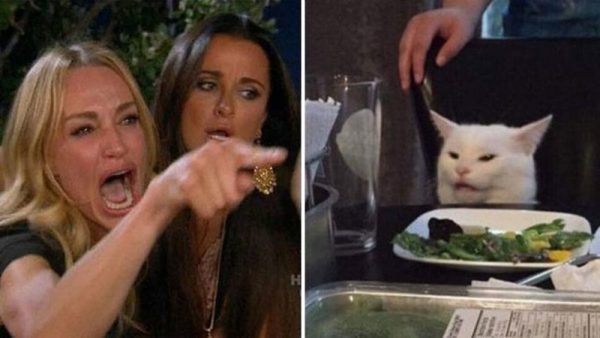
Most would agree that we initially got into this industry to help people, but the solipsism that bleeds through the phone screen in such fitness accounts tells a very different story. These types of accounts can work against that noble initial goal because they think more about the creator and not the people it’s intended to help, in an industry that’s oversaturated with professionals and content.
We need to do better.
Fitness isn’t Sexy
Let’s face it: Before those kinesiology programs and studies of human kinetics were popular, people were still getting into great shape, building great physiques, and performing at elite levels. You’d think all the research that’s been conducted between, say, 50 years ago and today would create a marked difference in the way people approach a fitness-oriented lifestyle, but that has not been the case. Barring special and exceptional cases, the same things work for the widest variety of people.
A calorie deficit featuring high protein is great for burning fat and losing weight.
Consistency in the gym and actually working hard while there are the main drivers for any form of muscle gain. More than most other factors, in fact.
A basic program, populated with basic, well known movements will undeniably yield gains.
Practicing good habits of recovery and self-care outside the gym are what keep you able, youthful, and seeing results.
Fitness and nutrition are boring.
If you eat the exact same breakfast and dinner every single day while going after a certain goal, it’ll make your preparation process much easier and less stressful, and it’ll make tracking your calories and nutrients an auto-pilot breeze.
Vegetables and fruits aren’t evil, and you don’t need to choose between drop sets, myo-rep sets, or ladders for muscle. They’ll all give you results just fine.

The thing is, most of the hair-splitting particulars and nuances that 80% of coaches and experts argue about online, apply to a niche 5% of the lifting population that in reality, you probably don’t even want to belong to. We as professionals can get caught up in esoteric rabbit holes that ultimately rob you, the client, of clarity on what steps to take to build a few pounds of muscle, shed a few pounds of fat, or get some stronger lifts using good form.
Oh Yeah… The Thirst Traps.
This represents what I’ll call the other “extreme” in my space. See, if fitness education in the wild west wasn’t such a competition for likes and views, chances are the amount of salacious, self-indulgent, or NSFW funnels disguised as “educational content” would occupy less real estate on social platforms. We all know what sells, and relating this to fitness, it can be as simple as getting an influencer to 12 percent, showing all the skin, and ultimately using that as their new fitness and health diploma. Of all the ways to confuse the masses, this may be the worst. Kudos for “looking the part” (termed loosely) as a person in the fitness world. But a fitness expert who’s built their wildfire traction based primarily off of how they look will likely have a small, superficial footprint on the industry. And their success will be predicated on consumers who have nothing to go off of but the belief that they too will look something like that if they hire them, or copy the way they train.

It’s a crowded space. I said this before. The amount of fitness pages I’ve seen that ultimately morphed themselves into OnlyFans siphons over the years is enough to make me pause on this. Now, in these cases I can’t question prerogative; go ahead and do you. But I can question whether the focus remains in the right place in doing so, in the name of fitness expertise.

You’re Doing Just Fine
The truth is, the name of the game is consistency and simplicity. It’s always been that way. We as fitness content creators and experts have just clearly demonstrated that we’re running out of ideas to keep people’s attention. To this point, what you see out there is what we’ve come up with. And the algorithms reinforce our actions. That creates a cycle of repetition that seems to be taking a turn for the worse.
You don’t need to follow 2500 fitness accounts. Varying perspectives can provide context, but consuming that much content will almost certainly do more to leave you spinning your wheels than it will to give you clarity on exactly what you want to do for your goals – or even what goals to set and stick with.
You don’t need toxic motivation. That’s the type of stuff where some 23 year old who’s never been injured, or some 45 year old who’s been very injured tell you how hard you should be working in the gym, with zero excuses. They usually disregard very relevant subjects like pain and injury, drug use, or personal responsibilities.
You don’t need a degree in Kinesiology, or the very latest, cutting edge research. Educated fitness content wasn’t popular in the 90’s but it’s quite mainstream now. Seriously – open a fitness magazine and you’ll find great ideas with cogent lines of reasoning behind them. Just remember that the basic staples are your bread and butter, and you can’t go wrong with those and minor variations to them. Manipulate loading, reps and rest interval to match your goals, and adjust your nutrition accordingly.
I told you. The naked truth about this industry is that it’s kind of boring, and for most, painfully simple.
So far, we’ve just failed to spice things up in a way that actually helps you.
Almost makes you wish it was 2004…


