
I’m a good communicator.
I pride myself on this characteristic, as it’s been a significant catalyst to any career success I’ve achieved. It’s been a cornerstone to my work.
The ability to wear different hats that are an extension of my personality, to help speak my clients’ language, or to adapt myself to the audience I’m speaking in front of has proven useful and effective for what I do. It helps me connect to people without being disingenuous. I value this more than the next person, especially every time I see trainers who are less adept with this skill. Clunky, forced rapport building, vapid laughter and general beck-and-call behavior are things I believe clients see right through, and I’m determined not to fit that mould.
The Western World has become one of political correctness and outrage culture – the perfect match for cancel culture, rage bait, virtue signaling and sensationalizing topics.
It’s a pedantic mentality that leads to the nearly inevitable censuring of anyone with original thought.
In some cases, the reproach is warranted. In other cases, not so much.
When this climate shifts its way over to the fitness industry, it stops trainers – good communicators like me – from being able to do our job.
Let me Explain
Because of the above, simple fear of language has weakened honest communication in fitness.
I’m going to preface this all by explaining exactly what this piece is not: and that’s a flailing attempt to return to the harsh toxicity of the dark, humiliating sides of fitness culture from 20 plus years ago. Nobody wants that.
However, movements from the corners and pockets of the industry that were once serving a good purpose at their core, have had their messaging perverted by way of either a dangerous rhetoric, utilizing the wrong crusaders to promote it, or both at the same time. The net result – especially of late – has been a fitness community forced to tiptoe around basic, scientifically plausible words, statements or claims, just to protect against potential triggers to a fringe demographic.
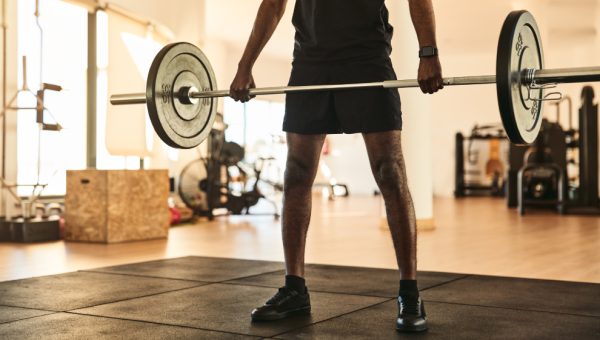
Today, the fitness directive or goal of “getting strong” is one of the only ones in existence that can still be broadcast without being met with a screwface from the mainstream.
Everything else goes back to the eggshells.
The Goal of Weight Loss is Now Taboo, and it Shouldn’t Be
You read that right, and yeah – this is what we’re doing here today. So brace yourself.
Somewhere along the line, discussing body composition honestly, became viewed as inherently emotionally dangerous — even when avoiding the conversation may be the less responsible option.
I’m still waiting to learn why it’s a faux pas and grounds for further explanation when a lager person with dexa scan report of 38% body fat says they’re looking to lose weight. The alarm bells in the fitness and even parts of the personal training community go off, and a full mental health screening is offered so disordered measures in their pursuit of fitness aren’t taken.
But if that same larger person with 38% body fat said they’re looking to “cut”, or “lean out”, which in most cases involve exactly the same thing, then it’s embraced with support.
This is all semantics.
We have conditioned ourselves to nitpick in favor of the exceptions to the rule – which are paltry in comparison to the dominant majority of people to whom this applies. We’ve been doing this for years now, and we’ve become excellent at it.
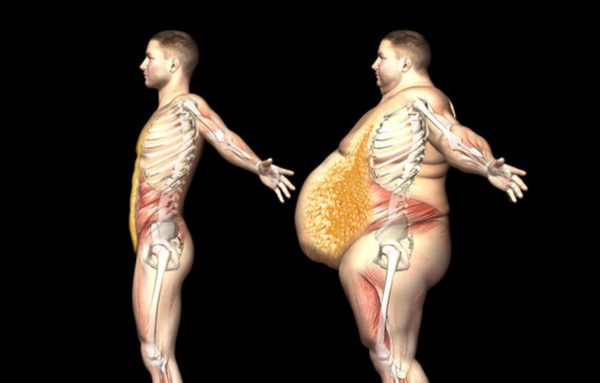
Of course, there are very good examples of people who would certainly be considered outliers.
Of course, BMI guidelines are fallible.
Of course, you can have a high body weight and still be healthy by most determinants of fitness.
And of course, people may work out for a multitude of other reasons. That’s not what I’m talking about today.
Playing this game is only giving a growing number of people a green light to be negligent with their health while hiding behind these particulars and others like it. And the sad truth is, we’re trusting their responsibility way too much.
It’s a tough pill to swallow, but they’re on the menu today. Speaking of menus, here’s another example.
Diet LITERALLY Means “What you Eat”.
In a similar vein to the last section, the word “diet” has immediately been vilified and censured by the fitness community because of the instant mental correlation one will make with unhealthy relationships with food today in 2026. The word doesn’t only refer to the bad stuff that causes people to succumb to some “eat like a bird, smaller is better” mentality. We seem to have forgotten that part.
Your diet is what you eat. What your total daily intake comprises of.
Going “on a diet” implies a bit more restriction and discipline, but in and of itself, it’s not inherently bad either. It shouldn’t instantly be connected to severe calorie restriction or developing disordered eating habits.

It’s the same game as the weight loss vs cutting thing.
“Mindful eating” sounds acceptable.
“Eat less junk food” sounds offensive.
Sure, we should read the room (and the person) – but if the way we accept and dispense fitness information and advice depends on our mood or the climate of the culture, we’re slowly abnegating responsibility. And results.
Moving your Body is Great. Really. But for Results, you’ll Eventually need to Train.
There’s nothing wrong with encouraging people to move more. For the average sedentary person, getting off the couch and doing something active is often the most important first step. Walking the dog, taking the stairs, riding a bike with your kids, or spending an afternoon doing yard work all count for something, and I’d be a fool to dismiss those things. But somewhere, the fitness industry started acting as though movement and training are interchangeable terms. Again, this coddles the masses who likely need to hear things spoken more plainly.
Training implies intention. It means there’s a goal attached to the activity beyond simply burning calories or checking a box. If your objective is to get stronger, build muscle, improve your conditioning, or appreciably change your body composition, there eventually comes a point where the things listed above stop being enough. We’ve become so hesitant to sound prescriptive that we’ve started pretending every form of physical activity belongs in the same category. And reestablishing the distinction that separates this into categories shouldn’t be controversial, yet somehow we’ve become afraid to acknowledge it.
That’s doing nothing but helping beginners remain beginners, for likely their entire lives.
Impact
I don’t want to live in a fitness space where the industry treats all weight loss, training, or diet motivation as psychologically suspect. Doing so in pursuit of moving better, reducing sleep apnea, relieving angry joints, improving blood markers, wanting better energy, and of course, seeking longevity can be starkly contrasted with motivations of crash dieting, obsessive tracking, body dysmorphia, or combating social media-fueled insecurity. Those things deserve concern. It’s all about context.
Unfortunately, the internet is the perfect place to lose sight of context and forfeit nuance – either due to blindness or as a fixed play for rage-bait virality. When outrage culture dominates, and a small contingent are more transfixed in catching a well-intended coach in a “gotcha” moment and a public callout, it exposes a bigger issue with the landscape itself.
That landscape – an overcorrection from what was once toxicity – now contains a generation of coaches who have subscribed to perpetual euphemisms as their first language. I strongly believe too much of this can have an adverse effect on a client’s resolve to make habits change, put in work, be honest with the facts, or see results.
We haven’t changed the thing. We’ve just changed what we’re calling the thing, to become more comfortable with some labels over others. That’s what makes this frustrating; we’re nitpicking vocabulary just as much as we’re nitpicking the fitness methods themselves.
And interestingly (and somewhat curiously), many of the terms here – and more that aren’t – only become controversial when they’re applied to people who visibly need them. A fitness influencer can openly discuss cutting body fat for summer and receive applause. An obese individual mentioning wanting to lose weight cues the room into a panel discussion on self-worth, trauma, societal pressure, and body image.
Let me make this clear, again: My responsibility isn’t to shame people. And it’s certainly not encouraging trainers to go around recklessly saying the wrong thing. It’s to help them respectfully say the necessary thing.
It’s to help everyone to think clearly, train intelligently, improve their health, and pursue goals for the right reasons. Sometimes that means encouraging weight loss. And sometimes it means discouraging it.
A good coach – and a good communicator – should know the difference, and shouldn’t be afraid of the language required to have that conversation. That is what will properly educate and influence the public the most.
Don’t confuse tactfulness with straight up avoidance.
.


